
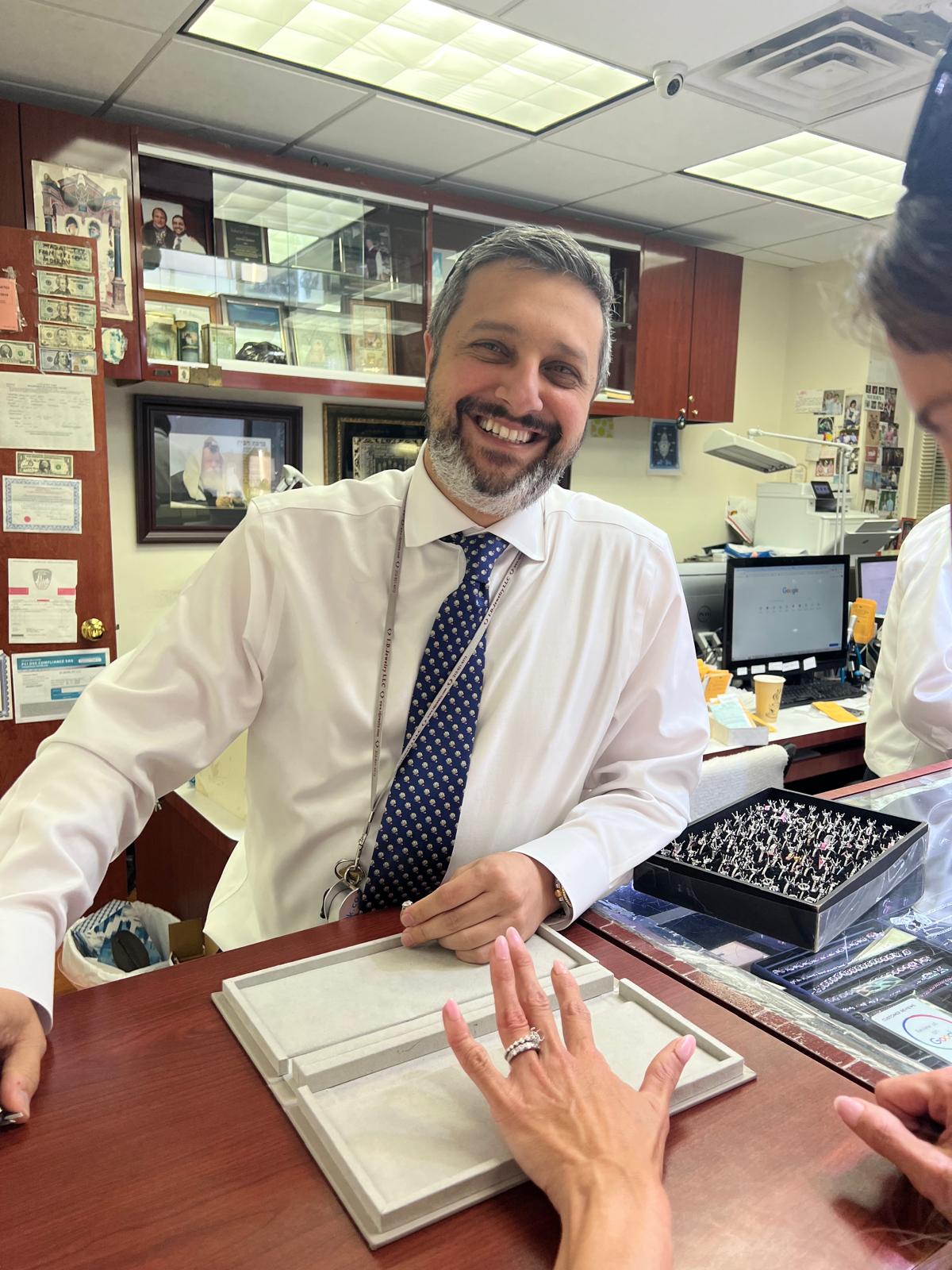
Hi, I’m Yekutiel from I.D. Jewelry—and today, I want to share a story that truly speaks to the heart of what we stand for: transparency, education, and trust in the diamond industry.
It started like any other day here in the shop. A lovely couple walked in, confident and excited to begin their diamond journey. They were looking specifically for a natural, earth-mined diamond, with a particular color and clarity in mind—F color, VS1 clarity, excellent cut. They knew what they wanted, or so they thought.
As we began talking, the client casually mentioned that they had seen a potential diamond “candidate” at another shop in the Diamond District just before walking in. “We saw something beautiful on our way here,” they said. “It was labeled as a natural diamond and seemed to check all the boxes.”
Now, I’ve been in this business for over 30 years, and one thing I’ve learned is to always ask the deeper questions.
So I did.
🧠 Asking the Right Questions
“Was the diamond certified?” I asked. “What lab issued the certificate?”
They pulled out a photo of the GIA report. My eyes went straight to a detail that many shoppers miss:
“HPHT Treated”
This wasn’t a natural diamond in its original form. It was a treated diamond, enhanced through High Pressure High Temperature (HPHT) technology to improve its color—after it was mined. This is not inherently bad, but it is not the same as a truly natural, untreated diamond. And here’s the kicker:
The other jeweler never disclosed this treatment.
⚠️ HPHT Diamonds vs. Natural Diamonds: What You Need to Know
Let me break it down.
- Natural diamonds are earth-mined stones that remain untreated.
- HPHT treated diamonds are natural in origin, but they undergo extreme heat and pressure post-mining to change or enhance their color.
- Lab-grown diamonds, including HPHT and CVD, are grown in controlled environments but not mined at all.
➡️ According to the Gemological Institute of America (GIA):
“HPHT processing can improve the color of some diamonds, but disclosure is essential. HPHT-treated diamonds should always be properly identified and sold with full transparency.”
(GIA Source)
🧐 The Fine Line Between Misleading and Misinforming
Here’s the problem: To the average consumer, a diamond labeled “natural” sounds like a mined, untreated diamond. But unless you know how to read a grading report—or have a trusted advisor to guide you—you may not know you’re buying a treated stone.
That’s not fair. And it’s not right.
In this case, the couple was unknowingly about to pay natural diamond prices for something that, while technically mined, had been altered in ways they weren’t told about.
⏳ A Patient Process—But a Worthwhile One
I took the time to walk them through the GIA report, explain what HPHT means, and show them side-by-side comparisons of:
- Untreated natural diamonds
- HPHT-treated diamonds
- Lab-grown diamonds
We compared prices, performance, and most importantly—values.
They quickly realized that what they really wanted was a diamond that was true to nature, free of post-mining enhancements, and ethically sourced.
Yes, it took time. Yes, it meant looking beyond my in-store inventory and even exploring international databases to find a diamond that met their standards.
But we did. And we got it.
🙌 Why I’m Sharing This
The diamond industry is evolving—and not always in ways that benefit the client. Between HPHT-treated diamonds, undisclosed lab-grown stones, and clever marketing tactics, it’s far too easy to be misled.
That’s why I do what I do.
At I.D. Jewelry, we believe in:
- Full transparency
- Lab report education
- Side-by-side comparison shopping
- And above all, respecting your trust
💡 Diamond Shopping Tips from a Trusted Insider
Before you buy any diamond:
- Always ask to see the lab certificate (GIA preferred).
- Look for words like “treated”, “HPHT”, or “CVD” on the report.
- Ask the jeweler: “Is this diamond enhanced in any way?”
- Work with someone who’s willing to educate—not just sell.
✨ Final Thoughts
The sparkle should never come at the cost of truth.
If you’re shopping for a natural diamond, lab-grown stone, or simply want to understand your options, come talk to me.
I’ll make sure you walk away not only with something beautiful—but with full confidence in what you’re buying.